How Can YouTube Ad Spy Transform Your Video Advertising Strategy?

Video marketing continues to shape how businesses communicate with audiences across digital platforms. Consumers engage with visual content more frequently than ever, making it essential for brands to create advertisements that capture attention within the first few seconds. Building effective campaigns requires creativity, planning, audience research, and continuous learning from successful examples. YouTube Ad Spy provides marketers with valuable insights into advertising approaches that have already gained attention, allowing teams to study creative trends, understand messaging techniques, and improve campaign planning. Rather than depending entirely on assumptions, businesses can make informed decisions that support stronger engagement, better storytelling, and more efficient use of marketing resources. Learning from existing advertising patterns encourages continuous improvement while helping organizations remain competitive in an increasingly dynamic digital landscape.
Build Stronger Creative Strategies
Creating compelling advertisements requires much more than attractive visuals. Every successful campaign begins with a clear understanding of customer interests, business goals, and brand messaging. Marketers often evaluate different creative styles before deciding which direction best represents their products or services.
A structured creative strategy includes defining campaign objectives, identifying target audiences, selecting visual themes, and preparing persuasive messaging. Reviewing various advertising styles also encourages fresh thinking while reducing creative fatigue during campaign development.
When teams continuously explore different approaches, they gain confidence in experimenting with new concepts without losing focus on their overall marketing objectives.
Understand Audience Preferences
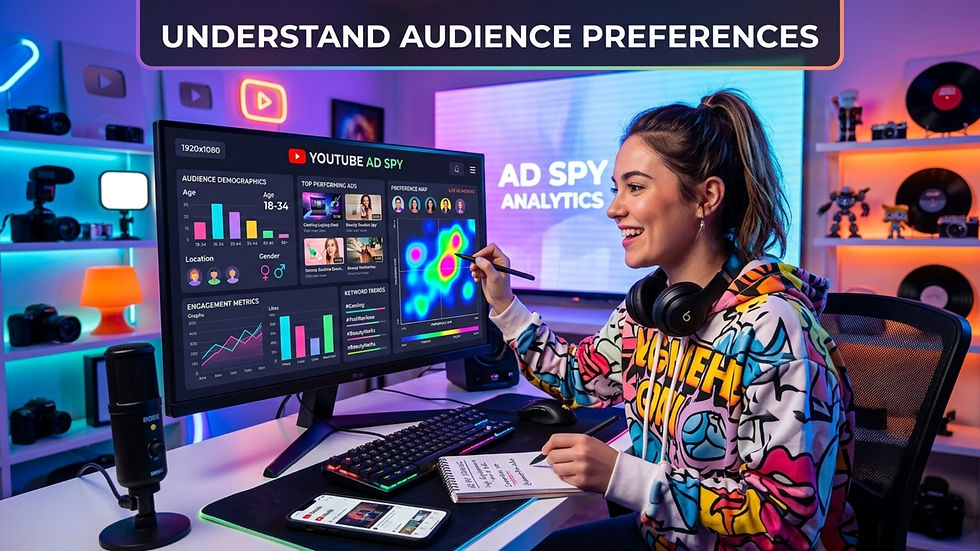
Successful advertising depends on understanding what motivates viewers to engage with content. Every audience has different expectations based on age, interests, purchasing behavior, and online activity. Careful observation of advertising trends helps marketers recognize the types of content that generate meaningful engagement while refining their marketing ads strategy.
Businesses can evaluate factors such as storytelling methods, emotional appeal, educational value, humor, product demonstrations, and customer testimonials. These observations allow marketing teams to create campaigns that better align with audience interests instead of relying solely on assumptions.
As customer behavior evolves, regularly reviewing audience preferences helps businesses adapt their communication strategies and remain relevant in competitive industries.
Improve Campaign Planning
Effective campaign planning reduces uncertainty throughout the advertising process. Rather than making rushed creative decisions, marketing teams benefit from organizing every stage before launching advertisements.
A well-planned campaign usually begins with setting measurable goals, determining budget allocations, selecting appropriate publishing schedules, and preparing creative assets in advance. Teams also establish performance expectations that will later be used to evaluate campaign success.
Encourage Better Team Collaboration

Advertising campaigns often involve designers, writers, video editors, analysts, project managers, and marketing specialists working together. Strong collaboration ensures that every contributor understands campaign objectives and maintains consistency throughout the creative process, resulting in more effective Digital Ads.
Sharing creative references, discussing successful campaign structures, and reviewing different advertising approaches encourage productive conversations among team members. These discussions frequently generate innovative ideas while reducing misunderstandings during production.
Analyze Performance for Continuous Improvement
Launching an advertisement represents only the beginning of a successful marketing strategy. Continuous evaluation allows businesses to understand which creative elements contributed to positive results and which areas require improvement.
Performance analysis commonly includes reviewing viewer engagement, watch time, click-through rates, audience retention, conversion activity, and overall return on investment. These insights help marketers refine future campaigns using measurable evidence rather than assumptions.
Consistent evaluation also encourages experimentation with different creative styles, messaging formats, and audience targeting strategies. Over time, this process builds valuable experience that strengthens long-term marketing performance while supporting continuous optimization across future advertising efforts.
Stay Competitive in a Changing Market
Digital marketing evolves rapidly as consumer expectations, technology, and advertising platforms continue to change. Businesses that regularly monitor industry developments are often better prepared to respond to new opportunities and shifting customer preferences.
Remaining competitive involves observing emerging design trends, improving storytelling techniques, adopting innovative production methods, and refining marketing strategies based on changing audience behavior. Organizations that embrace continuous learning generally adapt faster than competitors that rely on outdated advertising practices.
Long-term success depends on maintaining flexibility while consistently improving creative quality.
You can also watch: Revolutionize Advertising with AI-Based Ad Intelligence Tool - PowerAdSpy.
Conclusion
Consistent research and thoughtful planning are essential for building successful video advertising campaigns. YouTube Ad Spy supports marketers by providing valuable inspiration, encouraging creative development, improving campaign planning, and helping businesses better understand evolving advertising trends. Organizations that continuously study effective marketing strategies are better equipped to create engaging campaigns, strengthen audience connections, improve decision-making, and achieve lasting success in an increasingly competitive digital environment.
FAQs:
1. Why is video advertising important for modern businesses?
Video advertising helps brands communicate messages effectively, increase audience engagement, and improve online visibility.
2. How can businesses improve their advertising creativity?
They can study successful campaign structures, experiment with different storytelling methods, and continuously refine their creative process.
3. Why should marketers analyze audience behavior?
Understanding audience preferences allows businesses to create more relevant content that encourages stronger engagement and better campaign performance.


Comments